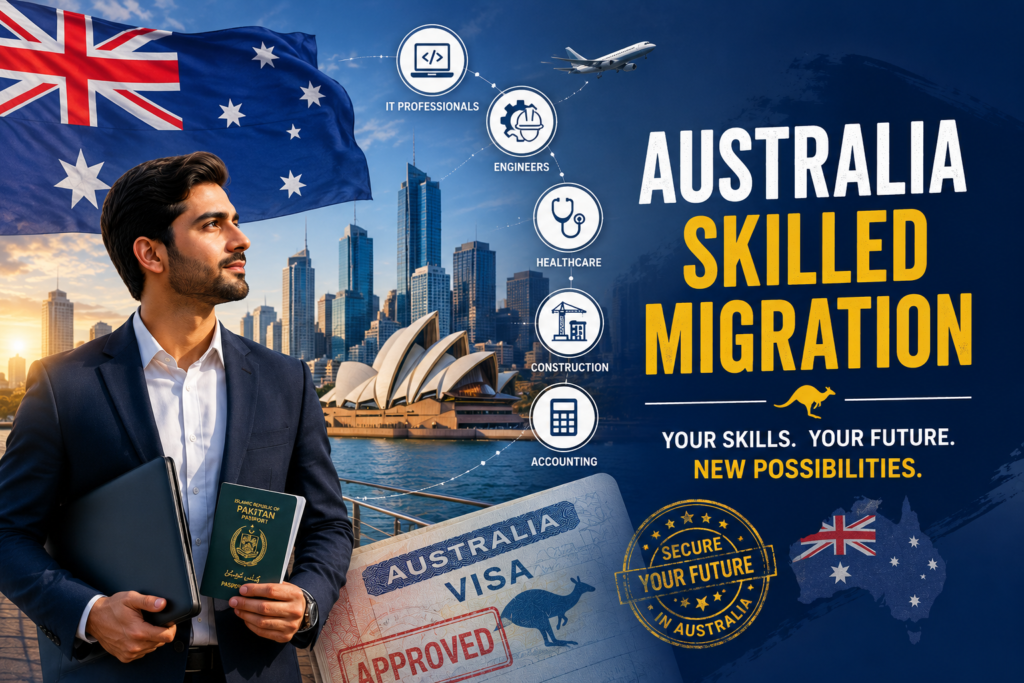
Every year thousands of Pakistani professionals leave their homes and move to Australia looking for better chances, a stronger money system and a future for their families. Engineers, doctors, accountants, IT workers and people in trades all take this step, hoping that a permanent visa will mean a better life. Being a skilled immigrant is more than just getting a visa in your passport. It is a change in how you live, your job and your sense of who you are. And knowing what is waiting on the other side can make the change easier.
The Emotional Side of Migration
Before we talk about jobs and forms, it’s important to talk about something people don’t often mention: leaving home is difficult. Skilled immigrants come to Australia without their big family, without the comfort of familiar places and without the small routines that made life simple back home. The first few months are usually a mix of happiness and missing home at the same time.
It helps to have realistic hopes. Making friends takes time. Pakistani community groups, mosques, cultural groups and professional networks in cities like Sydney, Melbourne, Perth and Adelaide can make this time of change easier. Many people who have been here say that talking to Pakistanis who came a few years earlier — people who know the system — helped them settle in faster.
Finding Your First Job
One of the surprises for new immigrants is how different the job market feels compared to back home. Australian companies care a lot about local experience, and many skilled migrants find that their years of experience outside the country are not seen the same way until they prove they can work here.
Some things always help:
- Make your resume look Australian. Local hiring people expect a style with a focus on things you achieved instead of just what you did.
- Join your professional group. Engineers, nurses, accountants and IT workers often need local registration even after their first qualifications are accepted.
- Take the job, then move up. Many immigrants start in a role that’s a little lower than what they did before and use it as a way to build their experience. After a year or two, most move into positions that match their skills.
- Make connections. LinkedIn, meetings in your field and help from people you know matter more in Australia than applying for jobs online.
Settling In: Housing, Schools and Daily Life
Rent is usually the first surprise. Homes in cities cost a lot, and new people often start in shared places before moving to a family home once they are more settled financially. The advice is to avoid signing a long rental contract in your first weeks — take time to see different areas, how long the commute is, and what the community is like before deciding.
For families with kids, Australia’s public school system is usually good and free, which is a relief for many parents. Starting early, understanding the school areas, and getting involved in the school community all help kids get used to their new place faster than expected.
Health care is another part that new people need to learn about quickly. Permanent residents get access to Medicare, Australia’s public health care system. There is often a waiting period after arriving, so private health insurance in the first months is worth getting ready before you come.
Building Financial Stability
Money handling is different in Australia. Superannuation (the system that saves for retirement), tax numbers, and a different way of dealing with banks all take time to get used to. Many people make the mistake of thinking in terms of the cost of living from their home country, which can lead to spending too much — or, on the other hand, being too careful and delaying feeling comfortable.
Setting up a bank account, getting a tax number, and understanding how income tax rates work should be some of the first things to do when you arrive. It is also good to look into first-time buyer programs, since many places offer help for people who are permanent residents that is not available for people with temporary visas.
The Long-Term Payoff
Despite the hard parts, most skilled immigrants who move to Australia say it is one of the best decisions they have made within a few years of arriving. Higher wages, a balance between work and life, safer places to live, cleaner cities and a better future for their kids are often given as reasons why people stay for good.
What makes the difference between people who struggle for years and those who get settled within twelve to eighteen months usually comes down to preparation. People who look into the job market, connect with groups early, and get help with the visa and settling-in process tend to have a much easier time than those who go in without help.
Getting the Right Support Before You Move
This is where having a good visa adviser makes a big difference. A good immigration adviser in Pakistan doesn’t just help with papers — they help set expectations, guide you to the right job and path for your skills, and prepare you for what life is like once you arrive. Many people who try to do it on their own make mistakes with their papers or timing, which can cost months or even years.
If you live in Karachi and are thinking about this move, talking to a visa adviser in Karachi early in your planning — well before you even think about buying a ticket — can help you avoid the most common problems and arrive in Australia really ready for the change, not just holding a visa.
Final Thoughts
Becoming an immigrant in Australia is a path that goes beyond getting a paper and a visa. It is about rebuilding a job, a life and a sense of home in a new country. The people who do this well are the ones who plan early, ask for help, and see the move as a long process, not a one-time event. With the right way of thinking, and the right help from a real visa adviser, the change from being an applicant to a settled immigrant can be much easier than most people think.